
A fair number of houses around Everett were built when a kitchen meant one sink, one window and a single run of drain pipe to the stack. Open one of those walls up in 2026 and the plumbing you find rarely matches the layout somebody has just drawn. That gap — between the kitchen on paper and the pipework actually in the floor — is where most remodel plumbing problems start, and it is the reason the plumber you hire matters as much as the cabinet maker.
What the plumbing side of a remodel really covers
Moving a sink three feet is not a fixture swap. The drain needs the right fall to reach the stack, the vent has to stay within code, and the supply lines have to come up where the new cabinet run allows. Add an island with a prep sink or a dishwasher on a different wall and the work moves under the floor, which on a Snohomish County crawlspace house means somebody spending time down there with a flashlight before anyone promises a schedule.
Bathrooms are tighter still. A toilet flange sits where the closet bend puts it, and relocating one in a slab or a low-clearance joist bay is a different conversation from relocating one over an open crawlspace. A plumber who does remodel work regularly will say which of those you are looking at on the first visit, rather than after the tile is ordered.
Licence, insurance, and experience that is actually relevant
Washington requires plumbing contractors to be licensed and bonded, and asking for the number takes a minute. Verify it rather than taking a card at face value. Insurance matters for the same unglamorous reason: remodel work happens inside a finished house, around flooring and cabinetry that cost real money to replace.
Relevant experience is the part people skip. Service plumbing and remodel plumbing are different trades in practice. Someone who spends their week on repairs may be excellent at repairs and still underestimate how much a reroute affects a framing schedule. Ask what share of their work is renovation, and ask to see two or three projects comparable in scope to yours.
Questions worth asking before anyone starts demo
Sequencing is the question that saves the most grief. Plumbing rough-in has to land between framing and drywall, and inspection has to happen before the walls close. A plumber who can tell you where they fit in the order of trades — and who is willing to coordinate directly with your general contractor or cabinet installer — is worth more than one who quotes a lower hourly rate and shows up when it suits them.
Ask how change orders are handled, because remodels produce them. Ask what happens if the drain line they open turns out to be in worse shape than expected. And get the estimate in writing with the scope spelled out, including who is responsible for pulling permits. A clear-eyed look at where remodel budgets usually get away from people is a useful thing to read before the first estimate arrives, if only so the numbers you hear land in context.
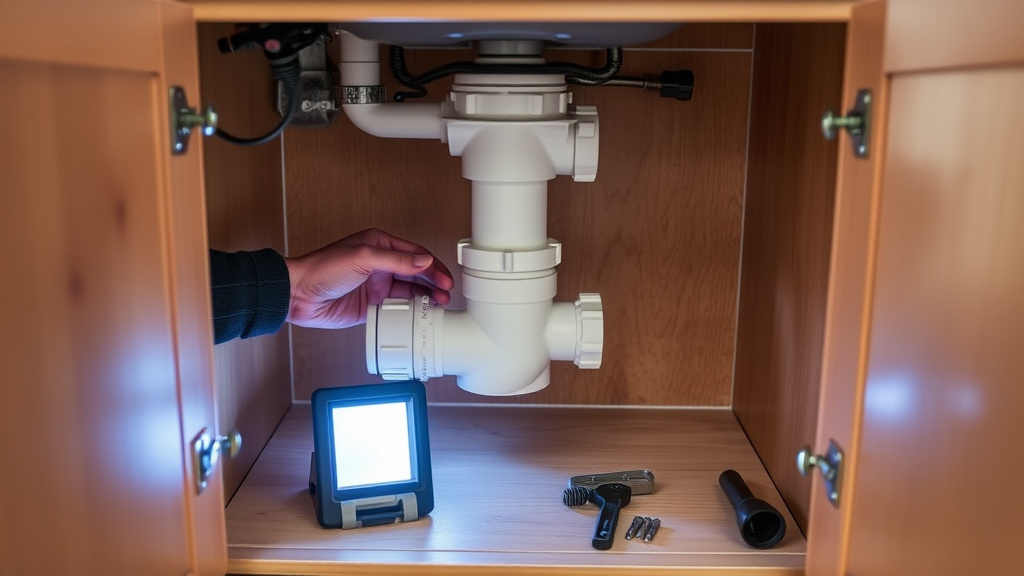
Older pipework changes the plan
Galvanized supply lines and cast iron drains both show up in Everett's older housing stock, and both behave differently once disturbed. Galvanized pipe corrodes from the inside and can look fine until it is cut. Cast iron can be sound for decades and then fail at a joint the moment it is bumped. Neither is a reason to panic, but both are a reason to decide deliberately whether to replace a section while the wall is already open — doing it later costs the wall twice.
This is where an honest plumber will tell you what they cannot see. Drain lines that run under a slab or out to the main are invisible until something gives you a picture of them, and on a remodel it is far cheaper to know before the finishes go in than after. Running a camera down the existing line is a short job, and it is reasonable to check what the job involves and get one on the calendar before demolition starts rather than during it. The same logic applies to pipes that have already been giving you trouble — a slow leak you have been living with is easier to deal with now than it will be behind new tile.
Narrowing the list
Reviews are useful read sideways. A single bad one says little; a pattern of comments about missed appointments or vague billing says plenty. Look for reviews that mention renovation work specifically, and for responses from the business that read like a person wrote them.
Then talk to two or three. The one who asks the most questions about your house — the age of it, where the stack runs, whether there is a crawlspace, what the water pressure does in the morning — is usually the one who has done this before. Remodels run on judgment as much as on skill, and judgment shows up in the questions somebody asks before they quote.